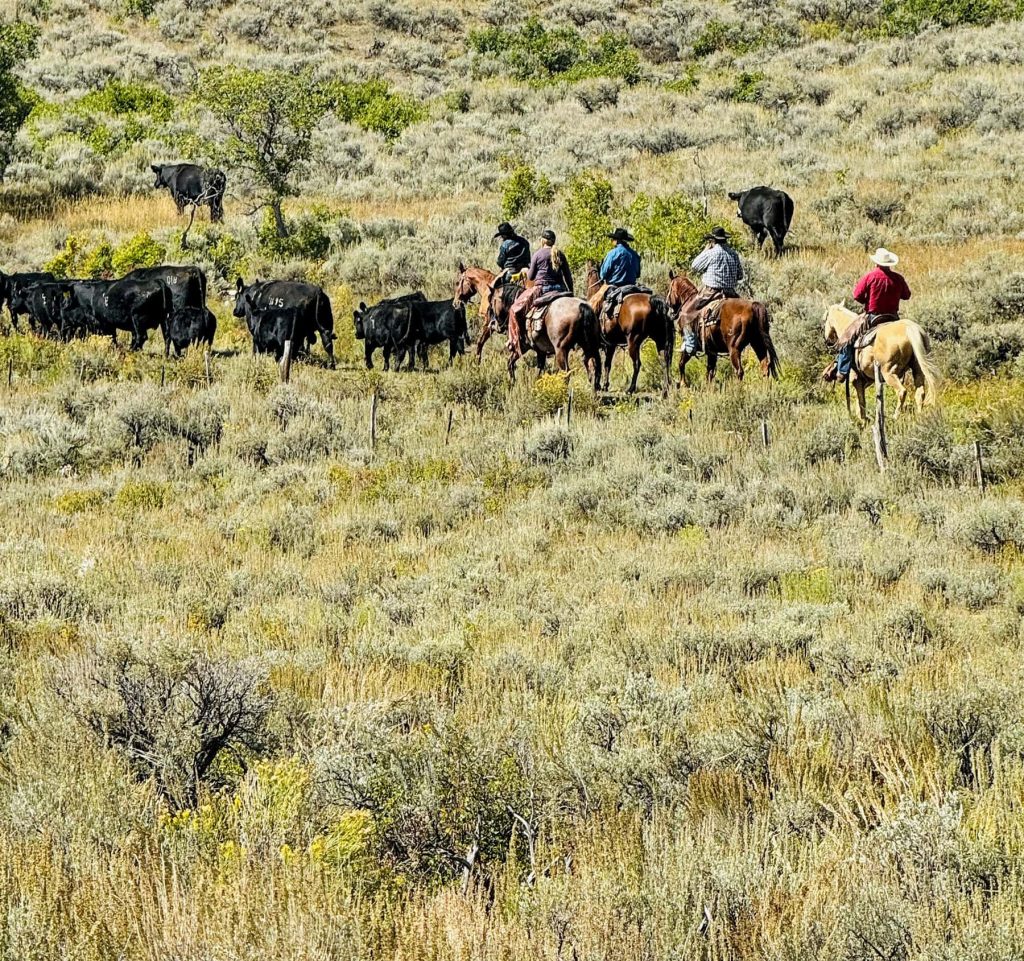
In recent years, shows like Yellowstone and Land Man have sparked a new fascination with Western ranch life. Similar to how A River Runs Through It inspired a generation of fly fishers, or O Brother, Where Art Thou brought renewed attention to acoustic old-time and bluegrass music, this surge in interest has introduced many people to the romance of horsemanship, cattle, and open country who might never have considered it before.
We love seeing this new wave of enthusiasm, but for first-time buyers it can also bring unexpected questions. What does it really take to own and manage a ranch? How do you evaluate land, water, and access? These are the realities that often only become clear once you start looking seriously.
For many buyers, the desire to own a ranch begins long before the search itself. It grows from time spent outdoors, a yearning for space, or a vision of something more lasting than a typical property purchase. By the time the search becomes real, most buyers have done their homework on acreage, location, and price. What tends to come later are the practical realities of ownership—the details that experienced guidance can help you navigate successfully.
The Land Will Ask More of You Than You Expect
Owning a ranch is not passive. Even recreational properties require attention. Roads need maintenance. Fences fail. Water systems need to be monitored. Seasonal changes bring both opportunity and responsibility. For working ranches, that responsibility increases. Grazing, irrigation, and land management all require time, coordination, and local knowledge.
This is where many first-time buyers benefit from having a team in place early. Through Ranch X, Eagle Land works directly with local labor, contractors, and experienced ranch managers to help owners maintain and improve their properties over time. From routine upkeep to larger projects, having reliable, on-the-ground support allows ownership to feel manageable and well cared for.
Water Is Often More Important Than the Land Itself
In the West, water defines value. Surface rights, irrigation shares, and access to reliable sources all play a significant role in how a property can be used. Two parcels of similar size can have very different long-term potential depending on their water rights. Understanding how water is adjudicated, delivered, and maintained is critical. It is also an area where local expertise matters.
Eagle Land approaches this through detailed property analysis and documentation. Through Land Information Systems, we help map, organize, and clearly present water assets and infrastructure so buyers understand exactly what they are acquiring. That clarity early in the process helps avoid surprises and supports better long-term decision making.
Access Is Not Always What It Seems
A road on a map does not always guarantee legal access. It is common to see properties with physical access that crosses neighboring land without a recorded easement. In other cases, access may exist but be seasonal or difficult depending on weather conditions. Verifying legal, year-round access is one of the most important steps in evaluating a ranch property.
Through Land Information Systems, Eagle Land works to document access routes, easements, and boundaries in a way that is clear and verifiable. This level of detail gives buyers confidence and ensures that access holds up not just in practice, but on paper.
Improvements Can Be More Complex Than Starting Fresh
Cabins, barns, and existing infrastructure can be appealing, but they are not always an advantage.
Older improvements may come with deferred maintenance, outdated systems, or placement that does not fully take advantage of the land. In some cases, starting with a clean slate allows for a more thoughtful, long-term approach to building and layout.
For buyers considering either path, Ranch X provides a practical bridge between acquisition and ownership. Whether evaluating existing improvements, coordinating repairs, or helping execute a long-term vision, having access to trusted labor and project oversight helps turn ideas into reality without unnecessary friction.
The Best Properties Are Understood, Not Just Seen
A ranch is not a property you fully evaluate in a single visit. Seasonality plays a major role. Water levels change. Access shifts. Wildlife patterns evolve throughout the year. What you see in summer may look very different in late fall or early spring.
Eagle Land emphasizes a deeper level of understanding through documentation and continued observation. With Land Information Systems, properties can be mapped and tracked in ways that provide a more complete picture over time. After acquisition, Ranch X can serve as an ongoing presence on the ground, helping owners stay informed about changing conditions and opportunities.
Local Knowledge Matters More Than Most Realize
Every region carries its own nuances. In areas like Montrose, Gunnison, and across the Western Slope, factors like elevation, water rights, grazing practices, and access can vary significantly from one property to the next.
Eagle Land’s approach is built on long-term regional experience, supported by tools like Land Information Systems and operational support through Ranch X. This combination allows buyers to move forward with both insight and practical support, from initial evaluation through ongoing ownership.
It Is Not Just a Purchase. It Is a Commitment
Buying a ranch is a different kind of decision. It is less about short-term return and more about long-term value. Many buyers approach it as a legacy investment, something to build, improve, and pass on over time.
Eagle Land operates with that same mindset. The goal is not simply to close a transaction, but to help owners succeed with their property well beyond the purchase. With the ability to document, manage, and maintain land through Land Information Systems and Ranch X, clients are supported at every stage of ownership.
For first-time buyers, the process can feel complex at the outset. With the right guidance and a clear understanding of what ownership entails, it becomes far more approachable.
The goal is not simply to acquire land. It is to find a property that aligns with how you intend to use it, care for it, and ultimately carry it forward.
