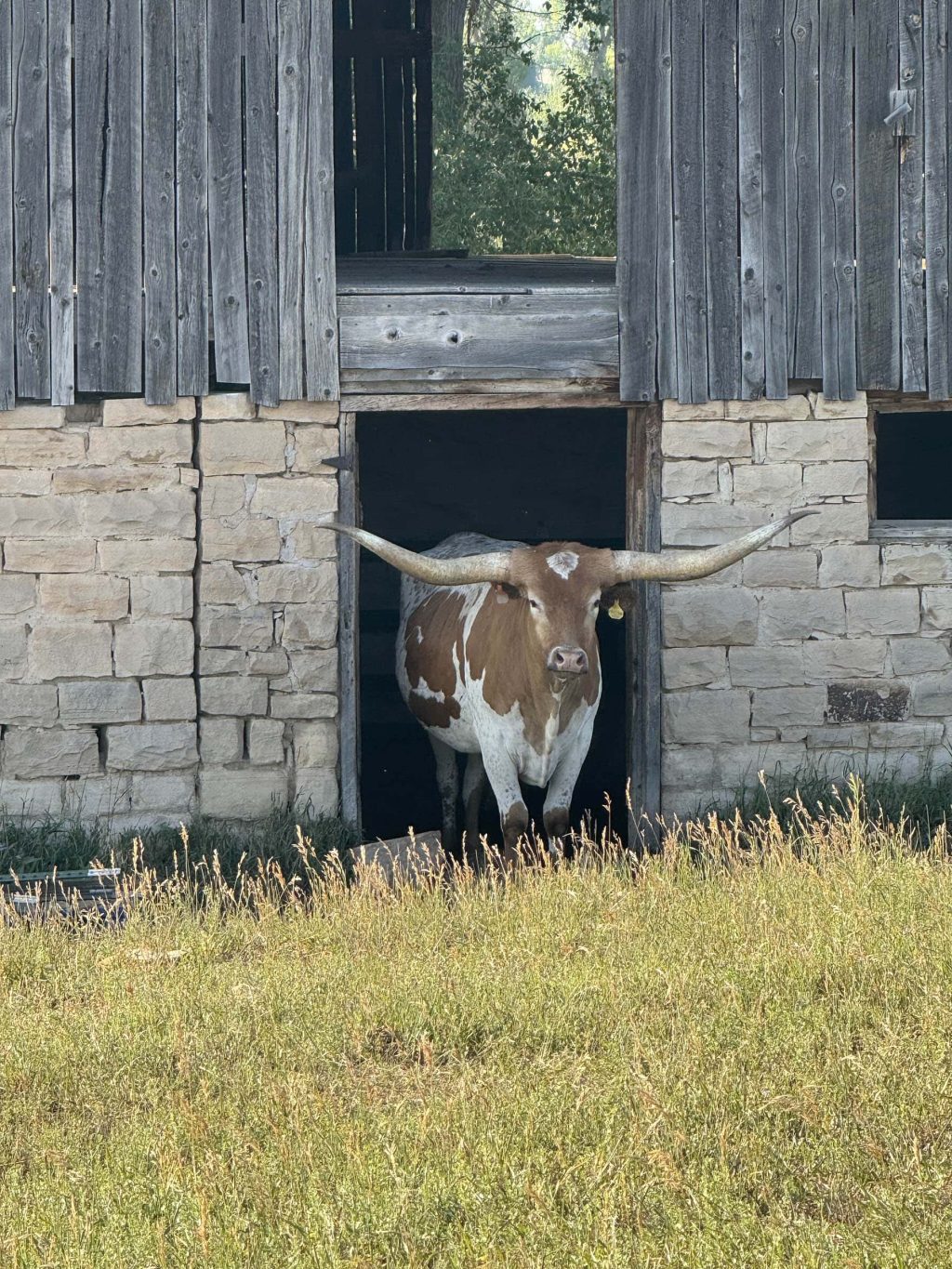
Agriculture on Colorado’s Western Slope remains a cornerstone of the regional economy, shaped by irrigation, climate, and working landscapes that extend from the Uncompahgre Valley to the Grand Valley and beyond. In 2026, the sector is navigating a dynamic mix of opportunity and constraint. Livestock production continues to anchor the region, and notably, cattle markets have strengthened considerably, with feeder and live cattle prices reaching historic highs amid tight national herd numbers and steady consumer demand. For many Western Slope ranchers, higher prices have helped offset rising input costs for feed, fuel, equipment, and labor. At the same time, herd rebuilding remains cautious, particularly given ongoing moisture uncertainty.
Hay production, critical both as livestock forage and as a cash crop, remains foundational. Colorado harvested more than 1.29 million acres of hay in 2024, yielding over 3.4 million tons, including nearly 2.5 million tons of alfalfa, a key feed source for cattle throughout the West. However, the 2025–2026 winter has brought below average snowpack across much of the Colorado River Basin. With a lighter snow year and early season dryness affecting portions of the Western Slope, producers are watching reservoir levels and irrigation allocations closely. While advances in irrigation efficiency and careful water management may help stabilize yields, a prolonged dry pattern could pressure both forage production and rangeland conditions later in the season.
Crop diversity across the region continues to reflect both specialty niches and larger scale field production. Corn, for grain and silage, remains significant statewide, with irrigated Western Slope acreage contributing to overall output. Storage projects such as Blue Mesa Reservoir and the Gunnison Tunnel system remain critical infrastructure linking mountain snowpack to productive valley fields. In lower snow years, the importance of coordinated water management among districts and producers becomes even more pronounced.
Fruit production holds a distinct identity in the region, with peaches, cherries, apples, and wine grapes thriving in areas like the Grand Valley and North Fork Valley, where warm days, cool nights, and reliable irrigation create ideal growing conditions. Yet tree fruit growers are equally attentive to water availability and spring weather volatility, which can influence both yield and quality. Vineyard operators and orchardists alike are increasingly investing in frost protection, soil health practices, and precision irrigation to manage risk.
Vegetable farming also remains a vibrant part of the Western Slope agricultural mix. From Olathe sweet corn to tomatoes, onions, leafy greens, and peppers, growers continue to supply both regional and Front Range markets. Direct marketing channels and community partnerships are helping maintain strong local demand, even as transportation and labor costs remain elevated.
Looking forward, opportunity lies in value added production and diversification. Agritourism, specialty branding, direct to consumer meat sales, and wine and orchard experiences continue to expand. With cattle prices elevated, some producers are capturing additional margin through branded beef programs and local processing partnerships. Research and outreach from regional agricultural institutions continue to support innovation in irrigation efficiency, integrated cropping systems, and production models adapted to arid and variable conditions.
Challenges persist, particularly around water availability and climate variability. Most Western Slope agriculture depends on irrigation, and a low snow year reinforces long standing concerns about drought cycles, reservoir carryover storage, and interstate river obligations. Still, the region’s ranching resilience, diversified crop base, and current strength in cattle markets point to a cautiously optimistic outlook. For landowners, producers, and investors, the intersection of strong livestock pricing, diversified agricultural production, and growing consumer interest in local Western Colorado products suggests a path for long term viability anchored in stewardship, adaptability, and disciplined water management.
