The high country of Western Colorado, with its steep ridges, narrow valleys, and glacial-fed streams, tells a story of ambition, hardship, and fleeting prosperity. Long before the area became known for ranching, recreation, and scenic landscapes, it was the stage for a mining boom that drew prospectors, entrepreneurs, and settlers from across the country. Along the rugged corridor of Red Mountain Pass, and in the surrounding valleys near Telluride and Ouray, dozens of mining towns rose almost overnight, built around veins of silver, gold, and other precious minerals.
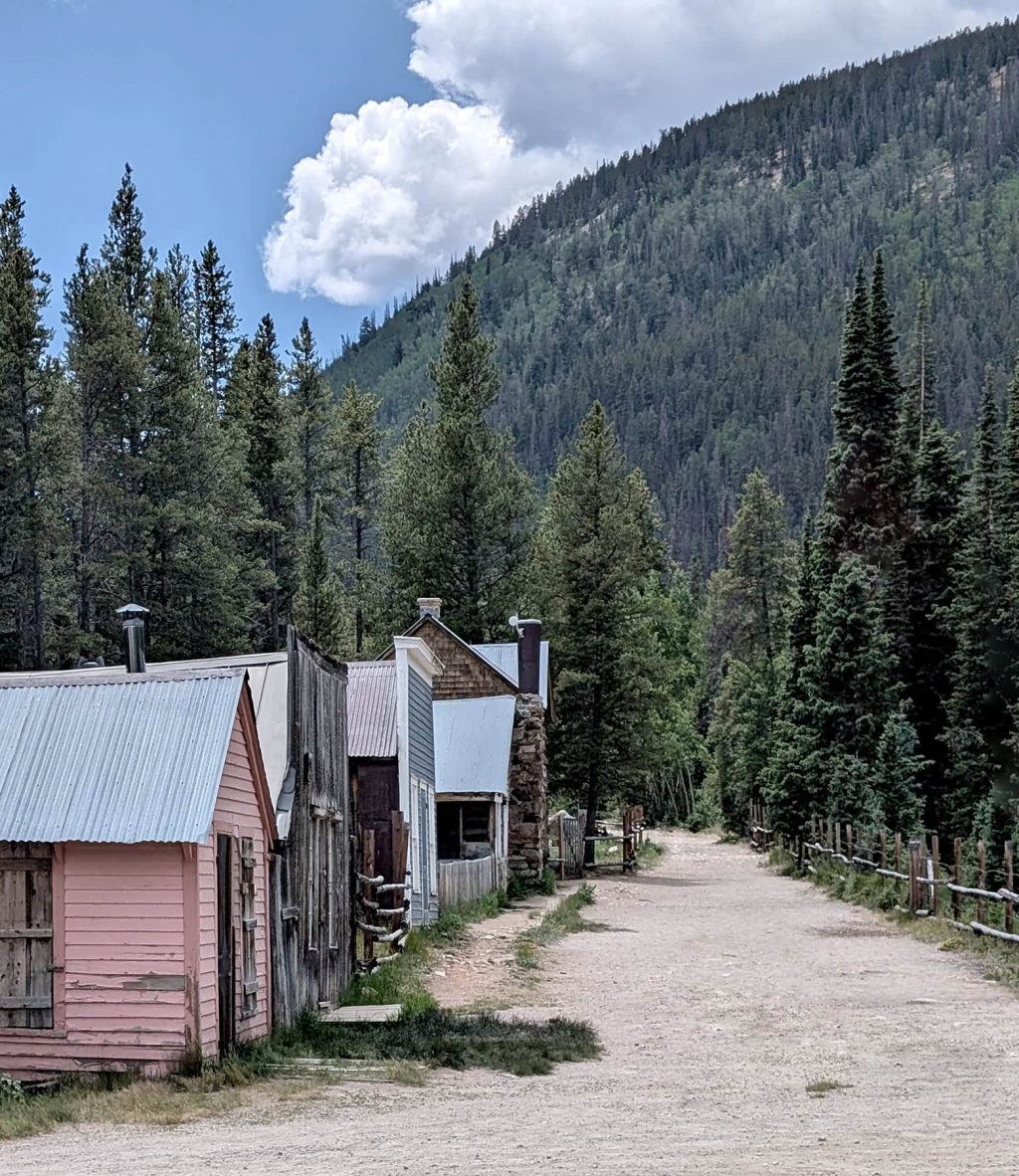
Some of these towns have faded into memory, leaving behind the skeletal remains of homes, mills, and smelters that hint at a bygone era. Ironton, perched just above Red Mountain Pass, once bustled with miners, merchants, and saloons. Its high-elevation streets echoed with the promise of wealth, yet the harsh winters and limited resources made life precarious. Nearby, Red Mountain Town and Gorham served as key supply points for mines further up the pass, their fortunes tied tightly to the fluctuating value of silver and the challenges of extracting it from steep, unforgiving terrain.
Telluride itself grew from a rugged mining camp into a thriving town, benefiting from its relative accessibility along the San Miguel River. Saloons, hotels, and mills clustered along the valley floor, supporting miners who dug deep into the surrounding mountains. Further north, Ouray, nicknamed the “Switzerland of America,” developed as both a residential hub for miners and a center for smelting operations. Its narrow streets and dramatic canyon setting made it both beautiful and strategically important, and many of the historic buildings still stand as a testament to the region’s resilience and ingenuity.
While these ghost towns are reminders of a volatile economic past, they also speak to the enduring connection between people and the land. The same steep ridges, forested slopes, and river corridors that challenged miners now support ranching, recreation, and conservation. From the remains of Ironton to the historic buildings in Ouray, these sites anchor the modern landscape in a rich narrative of human endeavor, risk, and adaptation.
At Eagle Land Brokerage, operating amidst this storied landscape gives a deeper sense of place. The ranches and open lands we represent sit within the same valleys and along the same rivers that carried miners, pack trains, and early settlers. Understanding the history of mining settlements adds context to the land today, highlighting both its challenges and its enduring opportunity. The ghost towns may be quiet now, but they are an indelible part of the story of Western Colorado’s working landscape.
