This week, as we recognize National Agriculture Day on March 24, it’s worth pausing to reflect on the people and operations that quite literally shape the landscape of Western Colorado where agriculture is a way of life. It defines our open spaces, sustains our rural economies, and preserves the character of the West. This year, that reflection carries even more weight.
A New Era for “Product of USA” Labeling
As of January 1, new regulations from the United States Department of Agriculture have clarified what it means for beef, pork, and poultry to carry a “Product of USA” label. Under these updated rules, meat products must come from animals born, raised, and processed entirely within the United States to use that designation.
This is a meaningful shift. For years, imported meat could be processed domestically and still carry a “Product of USA” label, creating confusion for consumers and an uneven playing field for American producers. Now, the label means what most people always assumed it did. And that matters, especially here in Western Colorado.
Buying Local sounds trendy but it’s actually a Commitment
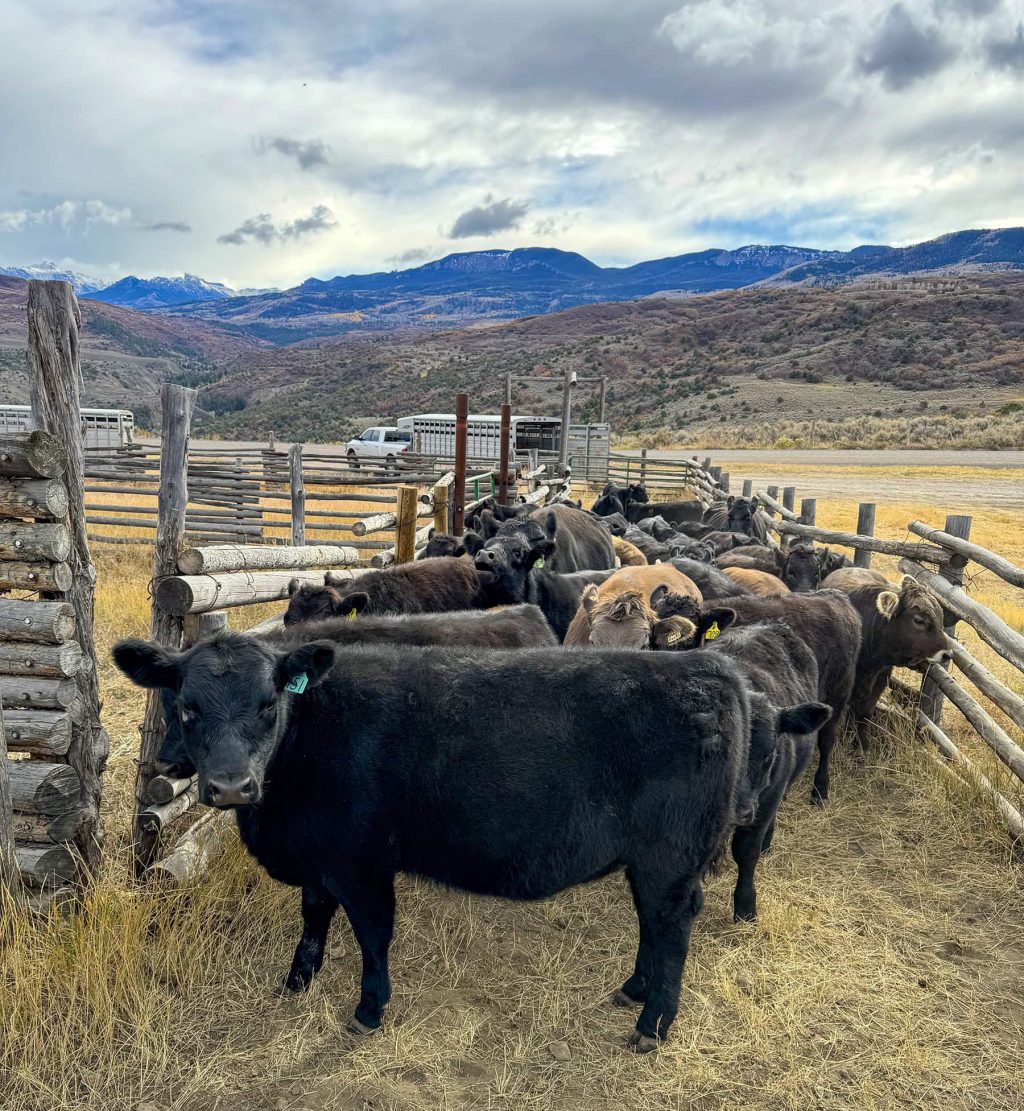
When you choose U.S.-produced and locally raised meat you are directly supporting the ranchers and cattle producers who use and protect the land across Western Colorado.
These are the families and operations that:
- Maintain working landscapes that prevent overdevelopment
- Support wildlife habitat and watershed health
- Anchor rural communities and local economies
In a region like ours, where agriculture and land are deeply intertwined, those choices ripple outward.
A Challenging Year for Western Colorado Ranchers
This year presents a unique set of challenges. Snowpack levels across parts of Western Colorado are creating real concern about water availability heading into the summer grazing season.
Less water means less forage for animals. Less forage means potentially fewer cattle can be supported.
For many ranchers, that may force difficult decisions—reducing herd sizes or bringing cattle to market earlier than planned.
The Hidden Story Behind Lower Beef Prices
As a result, consumers may see lower beef prices later this year. On the surface, that will probably feel good at least temporarily. But it is actually a more complicated story.
An increase in supply driven by necessity, not abundance, can temporarily push prices down. However, when herd sizes shrink, the long-term effect is often the opposite: tighter supply, higher prices, and increased consolidation within the industry. A smaller herd at the state and national level is not a positive outcome. It weakens resilience, reduces competition, and places more pressure on the remaining producers. Short-term savings can mask long-term challenges.
Standing with Ranchers When It Matters Most
This is exactly the kind of year when support for local agriculture matters most. Choosing products that are truly “Product of USA” is one step. Seeking out local producers, buying from regional suppliers, and understanding where your food comes from goes even further.
A Shared Responsibility
At Eagle Land Brokerage, we work closely with the landowners and agricultural producers who define this region. We see firsthand the challenges they face and the commitment it takes to operate here year after year. Supporting our ranchers preserves a way of life and protects the landscapes that make Western Colorado what it is. In the months ahead, we encourage our community to be intentional in how we support American agriculture. Because when we invest in our ranchers, we invest in the future of the West.
