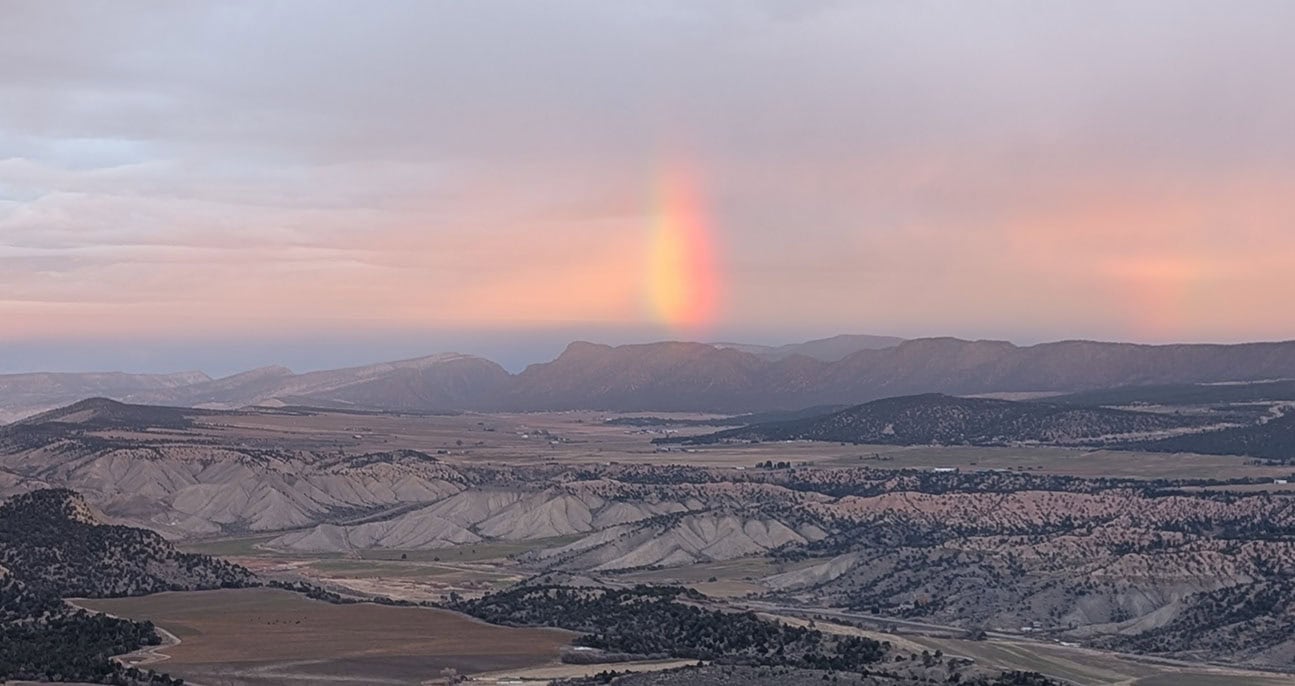
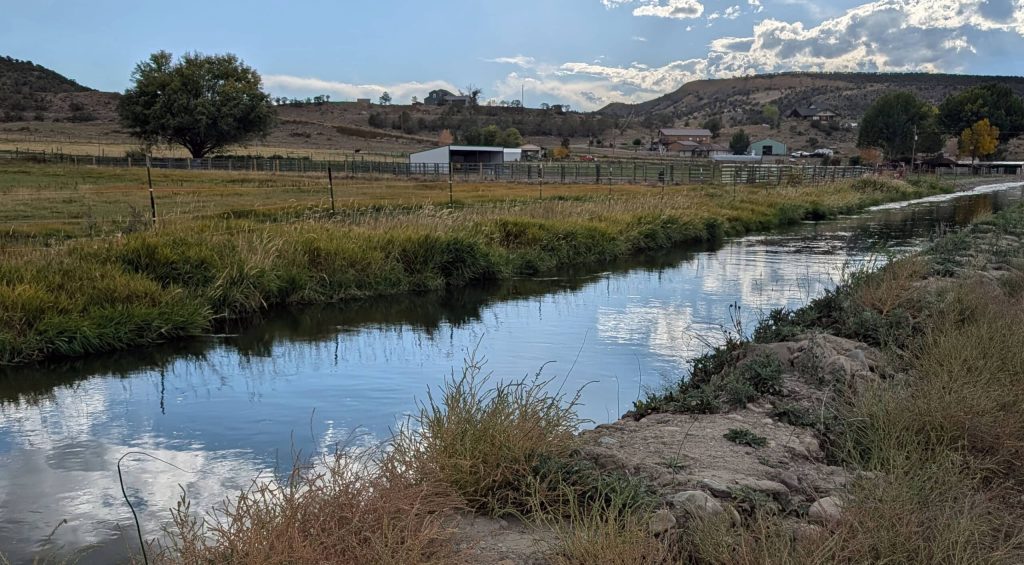
Long before modern irrigation shaped the valleys of Western Colorado, much of the land in the Gunnison and Uncompahgre River basins was too dry for large-scale agriculture. Farmers and settlers struggled to bring water across the arid landscape, and the promise of fertile fields remained out of reach without a major engineering solution. That solution came in the early 20th century with the construction of the Gunnison Tunnel, one of the most ambitious irrigation projects of its era.
Completed in 1909 after more than a decade of planning and labor, the Gunnison Tunnel diverts water from the Gunnison River through nearly six miles of mountain to the Uncompahgre Valley, transforming arid land into some of the most productive farmland on the Western Slope. The project was hailed as a feat of engineering, requiring miners and laborers to carve through solid rock with hand tools and early explosives, all at high elevation and under challenging conditions.
The tunnel fundamentally changed the region. Once water could reliably reach the valley floor, farms and orchards flourished, communities expanded, and local economies became more stable. Irrigation districts formed around the tunnel, creating a system of shared water rights and stewardship that continues to define land use in the area today. Crops such as hay, vegetables, and fruit orchards became possible on a scale previously unimaginable, supporting generations of ranchers and farmers who continue to rely on these waters.
Beyond agriculture, the Gunnison Tunnel shaped settlement patterns and property values across the Uncompahgre Valley and surrounding basins. Land with secure access to tunnel water became more desirable, and the clarity of water rights tied to the project created long-term stability for owners and investors. In many ways, the tunnel established the framework for responsible land and water management that Western Colorado continues to rely on in the 21st century.
At Eagle Land Brokerage, operating in the shadow of the Gunnison Tunnel reminds us that water is inseparable from land value, productivity, and opportunity. The valley lands we represent today thrive in part because of this historic project, which turned arid canyons into working landscapes capable of supporting agriculture, ranching, and recreation. Understanding the history and significance of the Gunnison Tunnel not only enriches our appreciation for the land, but also underscores the enduring link between water, stewardship, and long-term value in Western Colorado.